
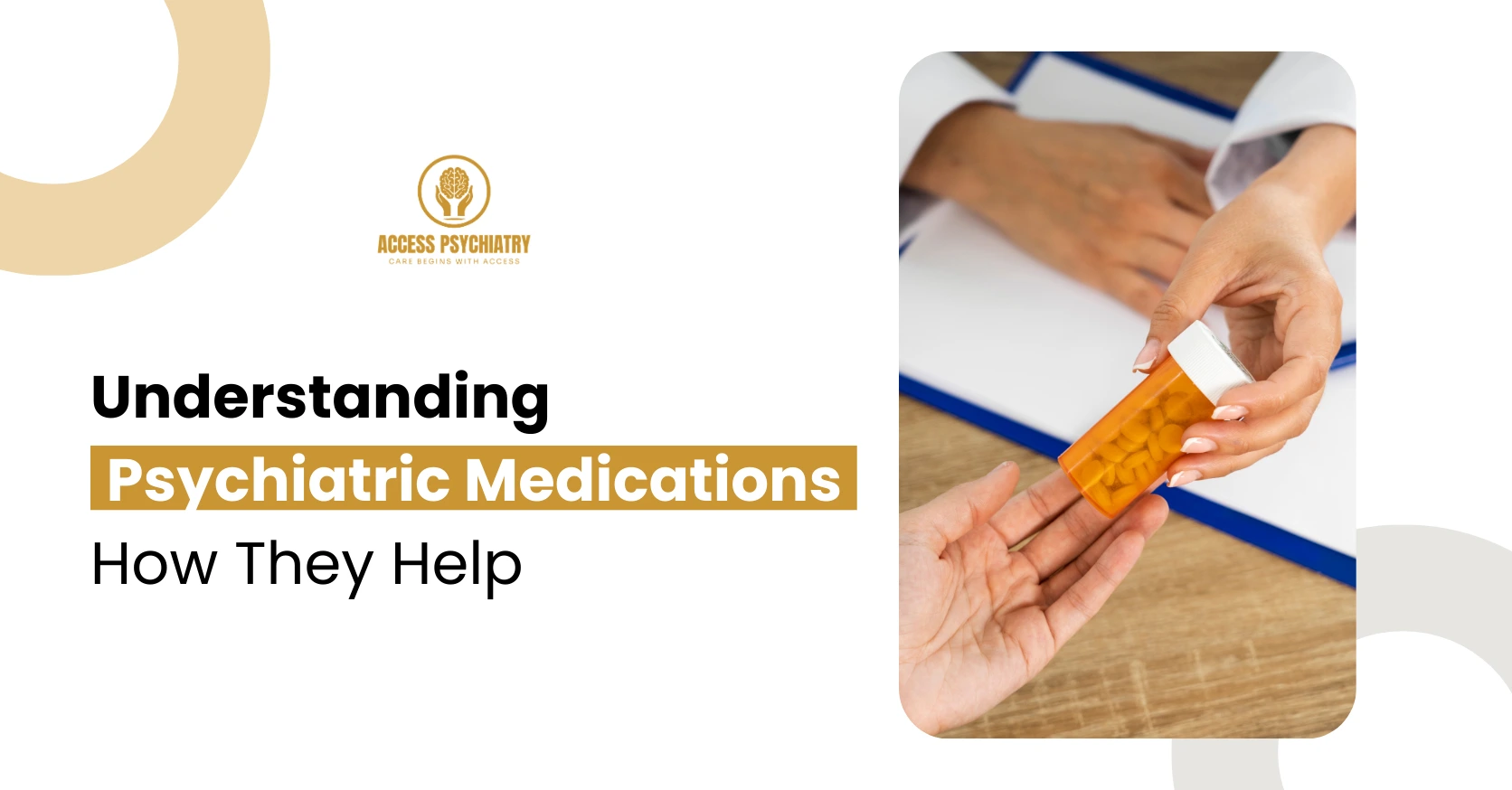
Psychiatric medications are commonly used to help manage mental health conditions. They work by affecting brain systems involved in mood, thinking, attention, and emotional regulation.
Medication is not the only treatment for mental health conditions. However, for many individuals, it plays an important role in improving stability, daily functioning, and overall quality of life.
Common Types of Psychiatric Medications
Treatment is personalized and based on each person’s symptoms, diagnosis, and medical history. The most commonly used categories include:
Antidepressants
Antidepressants, such as Selective Serotonin Reuptake Inhibitors (SSRIs) and Serotonin Norepinephrine Reuptake Inhibitors (SNRIs), are used to treat depression and many anxiety disorders. They help improve mood, reduce worry, and increase energy levels.
Mood Stabilizers
Mood stabilizers are primarily used to treat bipolar disorder. They help regulate mood and prevent both manic and depressive episodes.
Antipsychotic Medications
Antipsychotic medications are used to treat symptoms such as hallucinations, delusions, and severe mood instability. They are commonly used in conditions like schizophrenia, bipolar disorder, and schizoaffective disorder.
Anxiety Medications
Some medications are used to manage short-term anxiety or panic symptoms. In many cases, antidepressants are also used for long-term anxiety management.
Attention Deficit Hyperactivity Disorder (ADHD) Medications
Stimulant and non-stimulant medications are used to improve attention, impulse control, and executive functioning in individuals with Attention Deficit Hyperactivity Disorder (ADHD).
How These Medications Work
Mental health conditions are influenced by a combination of brain chemistry, life experiences, genetics, and environmental stress.
Psychiatric medications work by affecting neurotransmitters such as serotonin, dopamine, and norepinephrine. These brain chemicals play a key role in regulating mood, sleep, attention, and emotional responses.
A Balanced Approach to Treatment
Medication is most effective when combined with therapy, lifestyle changes, and social support.
Treatment should always be individualized. What works for one person may not work for another, and regular follow-up with a provider is important to ensure safety and effectiveness.