

Dr. Mapendo Karen Safari, DNP, APRN, CRNP, PMHNP-BC
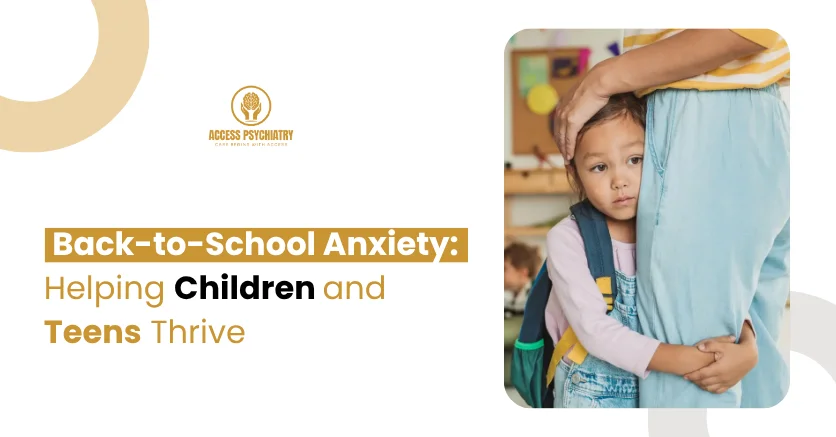
As summer comes to an end, many children and teens experience a noticeable change in mood and behavior. A child who slept well all summer may suddenly struggle to fall asleep. They may complain of stomachaches before school, ask repeated questions about their teacher, or become unusually clingy.
A certain amount of nervousness before school is completely normal. Starting a new grade, meeting new classmates, and adjusting to new routines can feel stressful. However, when anxiety becomes persistent or begins interfering with daily life, it deserves closer attention.
Normal Anxiety vs. Anxiety That Needs Attention
Most children experience some first-day jitters. These feelings typically improve within the first few weeks as they adjust to their new routine.
Consider seeking further evaluation if your child’s anxiety:
- Persists for more than three to four weeks after school begins
- Causes frequent stomachaches, headaches, or other physical symptoms without a medical explanation
- Interferes with school attendance or participation
- Significantly disrupts sleep
- Affects friendships, family life, or daily functioning
Children may experience different forms of anxiety, including separation anxiety, social anxiety, or generalized anxiety. While these conditions share common features, each requires an individualized approach to treatment.
How Anxiety Looks at Different Ages
Younger children often express anxiety through their behavior rather than words. They may cry, become clingy, have tantrums, or frequently complain of headaches or stomachaches before school. These behaviors are often signs of distress rather than defiance.
Tweens and teenagers are more likely to internalize anxiety. They may become withdrawn, irritable, avoid social activities, isolate themselves from friends, or refuse school without clearly explaining why. Academic pressure, social relationships, extracurricular demands, and social media can all contribute to increased stress during adolescence.
Why Avoidance Makes Anxiety Worse
One of the strongest predictors of ongoing anxiety is avoidance.
When a child stays home because school feels overwhelming, they often experience immediate relief. While understandable, repeated avoidance teaches the brain that avoiding school is the only way to feel safe. Over time, anxiety may become even stronger.
Parents naturally want to reduce their child’s distress. However, consistently accommodating anxious behaviors can unintentionally reinforce fear.
Research supports helping children gradually face feared situations while providing encouragement and emotional support. One evidence-based approach is the SPACE (Supportive Parenting for Anxious Childhood Emotions) program, developed at Yale Child Study Center. Rather than treating the child directly, SPACE teaches parents how to reduce anxiety accommodations while increasing supportive responses.
What Parents Can Do
Several strategies can help reduce school-related anxiety:
- Validate your child’s feelings without encouraging avoidance. For example: “I know this feels scary, and I know you can get through it.”
- Maintain consistent morning and bedtime routines.
- Keep school attendance as consistent as possible unless medically necessary.
- Help solve specific problems rather than offering repeated reassurance.
- Encourage gradual exposure to feared situations instead of avoiding them.
- Praise effort and courage rather than focusing only on success.
These approaches help children build confidence and resilience over time.
Sometimes Anxiety Isn’t the Whole Story
Not all school-related anxiety is caused by an anxiety disorder.
Sometimes the underlying issue may be:
- Bullying
- Social conflict
- Learning differences
- Academic struggles
- Difficult classroom environments
- Family stressors
A child who is anxious only about one teacher, one class, or one group of peers may be responding to a specific problem that deserves careful exploration.
When to Seek a Professional Evaluation
Consider scheduling a mental health evaluation if your child:
- Continues to experience significant anxiety after several weeks of school
- Frequently refuses or avoids school
- Has persistent physical symptoms related to anxiety
- Shows declining academic performance
- Withdraws from family or friends
- Appears increasingly sad, hopeless, or irritable
- Has a family history of anxiety, depression, or other mental health conditions
Early intervention can prevent anxiety from becoming more severe and can help children develop healthy coping skills before patterns of avoidance become deeply established.
The Bottom Line
Back-to-school anxiety is common, but children should not have to struggle alone.
When anxiety begins interfering with learning, friendships, family life, or everyday activities, early support can make a meaningful difference. With the right combination of family support, evidence-based therapy, school collaboration, and, when appropriate, medication, most children and teens learn to manage anxiety successfully and regain confidence both inside and outside the classroom.
This article is for educational purposes only and is not a substitute for professional medical or mental health advice.