
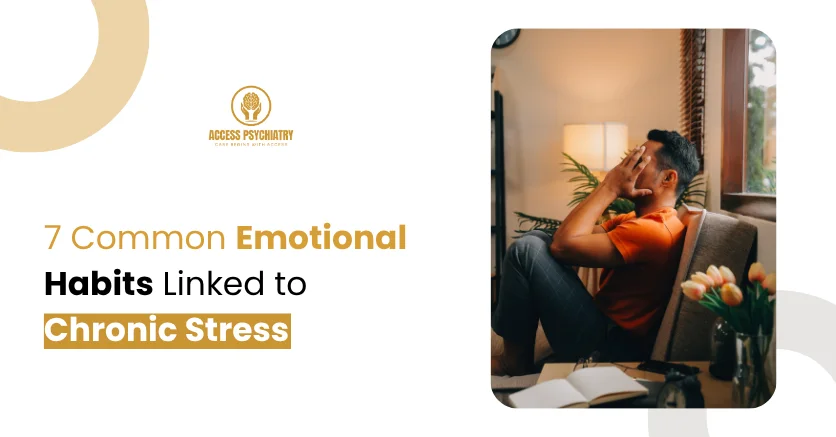
Stress is a normal part of life. In short bursts, it can help us respond to challenges, meet deadlines, and adapt to change. But when stress continues for a prolonged period or feels difficult to manage, it can begin to affect emotional and physical well-being.
Chronic stress may contribute to irritability, anxiety, difficulty concentrating, fatigue, muscle tension, changes in appetite, and disrupted sleep. Over time, persistent stress can also affect overall health and quality of life.
Stress is not simply the result of having the “wrong” mindset or emotional habits. Life circumstances, relationships, work demands, finances, health conditions, trauma, discrimination, caregiving responsibilities, and many other factors can contribute. However, certain patterns of thinking and responding to difficult emotions may unintentionally keep the stress cycle going.
Recognizing these patterns is not about blaming yourself. It is about developing greater awareness and learning healthier ways to respond.
Here are seven common emotional habits that may contribute to chronic stress—and some practical ways to begin changing them.
1. Overthinking and Rumination
Have you ever replayed a conversation repeatedly, worried about something that has already happened, or found yourself continuously thinking about what might go wrong?
This repetitive pattern of thinking is often called rumination when it focuses on distressing experiences and worry when it centers on possible future events. Both can make it difficult for the mind and body to settle.
Repeatedly analyzing a problem without moving toward a solution may increase emotional distress and make anxiety or depressive symptoms more difficult to manage.
What may help: Notice when your thoughts have shifted from productive problem-solving to repetition. Pause, slow your breathing, and bring your attention back to your immediate surroundings. Grounding techniques, such as identifying things you can see, hear, and feel, can help redirect attention to the present moment.
Then ask yourself: “Is there something I can reasonably do about this right now?” If there is, identify one manageable step. If not, practice letting the thought pass without continuing to engage with it.
2. Avoiding Difficult Situations
Avoidance is a natural response to discomfort. When something makes us anxious, overwhelmed, embarrassed, or afraid, staying away from it can provide immediate relief.
The problem is that repeated avoidance can sometimes reinforce anxiety. The longer you postpone a task, conversation, appointment, or situation, the more intimidating it can feel.
What may help: Instead of expecting yourself to solve everything at once, break the situation into manageable steps.
If you have been avoiding an overwhelming task, for example, your first goal might simply be opening the document, making the phone call, or spending 10 minutes getting started.
Small, repeated actions can build confidence and make difficult situations feel more manageable.
3. Persistent Negative Self-Talk
Everyone makes mistakes and experiences setbacks. However, repeatedly responding to yourself with harsh criticism can increase emotional distress.
Thoughts such as “I always mess everything up,” “I’m not good enough,” or “Everyone else is doing better than me” can become automatic over time. Persistent negative self-talk may reinforce feelings of shame, inadequacy, anxiety, and low mood.
What may help: Pay attention to how you speak to yourself after something goes wrong. Ask yourself whether you would use the same words with someone you care about.
Self-compassion does not mean ignoring mistakes or avoiding responsibility. It means acknowledging difficulties without unnecessarily attacking yourself.
Try replacing “I failed” with something more balanced, such as “This did not go the way I wanted. What can I learn from it?”
4. Perfectionism
Wanting to do well can be healthy. Perfectionism becomes problematic when your standards are so rigid that mistakes feel unacceptable or your accomplishments never seem good enough.
Perfectionism may lead to excessive checking, procrastination, difficulty completing tasks, fear of failure, and an inability to feel satisfied with your work.
Ironically, trying to eliminate every possibility of failure can create more anxiety and make it harder to begin or finish important tasks.
What may help: Replace perfection with realistic excellence.
Ask yourself: “What would good enough look like in this situation?”
Allow room for learning, adjustment, and mistakes. Rest is also part of sustainable productivity, not something you must always earn.
5. Holding On to Anger Without Processing It
Anger itself is not unhealthy. It is a normal emotion that can alert us to perceived injustice, disrespect, frustration, hurt, or violated boundaries.
Problems may develop when anger remains unresolved, is repeatedly suppressed, or is expressed in ways that damage relationships or personal well-being. Repeatedly revisiting an upsetting event can also keep the body’s stress response activated.
What may help: Instead of judging yourself for feeling angry, become curious about what the anger is communicating.
Ask yourself:
“What happened?”
“What am I actually feeling underneath the anger?”
“Was a boundary crossed?”
“Is there something I need to communicate or accept?”
Healthy coping may include assertive communication, journaling, physical activity, relaxation strategies, psychotherapy, or creating appropriate boundaries.
The goal is not to eliminate anger. It is to learn how to experience and express it safely and constructively.
6. Constantly Comparing Yourself to Others
Comparison is human, but constant comparison can distort how we evaluate ourselves.
This can be especially difficult on social media, where people often share selected moments rather than the full reality of their lives. Comparing another person’s highlights with your everyday experiences may contribute to dissatisfaction, inadequacy, anxiety, or lower self-esteem.
What may help: Bring your attention back to your own values and progress.
Instead of asking, “Am I doing as well as everyone else?” consider asking, “Am I moving toward the life that matters to me?”
If certain accounts or online activities consistently leave you feeling inadequate or distressed, consider changing how frequently you engage with them.
7. Suppressing or Avoiding Your Emotions
Many people learn to minimize difficult emotions by telling themselves things such as “I shouldn’t feel this way,” “I need to get over it,” or “I have to stay strong.”
Temporarily setting emotions aside can sometimes be necessary. But consistently avoiding or suppressing emotional experiences may make it more difficult to understand your needs and process distress effectively.
Emotional stress can also occur alongside physical symptoms such as muscle tension, headaches, gastrointestinal discomfort, fatigue, or sleep disturbance. However, persistent or concerning physical symptoms should not automatically be attributed to stress and should be appropriately evaluated by a healthcare professional.
What may help: Begin by naming the emotion without judging it.
Try saying: “I notice that I am feeling anxious,” “I am disappointed,” or “I am angry about what happened.”
Identifying an emotion does not mean allowing it to control your behavior. It gives you an opportunity to understand it and choose how you want to respond.
How These Habits Can Reinforce the Stress Cycle
These patterns rarely occur in isolation.
For example, you may experience a stressful event, repeatedly think about it, criticize yourself for how you handled it, avoid dealing with the problem, and then lose sleep worrying about what will happen next.
Over time, that cycle can become exhausting.
Chronic stress may affect sleep, concentration, energy, appetite, relationships, work performance, and emotional regulation. Some people become more irritable or withdrawn, while others experience persistent worry, physical tension, or difficulty relaxing.
Remember, these patterns are changeable.
Awareness is often the first step. With practice, people can learn healthier ways to manage thoughts, emotions, boundaries, stressors, and behaviors.
When Stress Becomes More Than Stress
Not every difficult period requires psychiatric treatment. However, consider speaking with a mental health professional when stress is persistent, becoming difficult to manage, or interfering with your ability to function at work, school, home, or in relationships.
Professional support may also be appropriate if you are experiencing persistent anxiety, depressed mood, significant sleep disturbance, panic attacks, difficulty controlling anger, substance use to cope, or other concerning changes in your mental health.
If you are experiencing thoughts of suicide or self-harm, seek immediate crisis or emergency support rather than waiting for a routine appointment.
Finding Support at Access Psychiatry
At Access Psychiatry, LLC, we recognize that chronic stress is rarely about just one thing. Effective mental health care begins with understanding the whole person, including symptoms, relationships, environment, medical history, daily stressors, and individual goals.
Depending on your needs, treatment may include psychiatric evaluation, psychotherapy, medication management, patient education, or a combination of approaches.
Seeking support does not mean that you have failed to manage stress on your own. Sometimes, the right professional support can help you recognize patterns that have become hard to see and develop healthier strategies for moving forward.
If stress, anxiety, depression, or other emotional concerns are interfering with your daily life, you can contact Access Psychiatry to learn more about available services or schedule an appointment.
Frequently Asked Questions
Can emotional habits really be changed?
Yes. Patterns of thinking and responding can change over time. Approaches such as cognitive behavioral therapy (CBT), mindfulness-based strategies, behavioral interventions, and other evidence-based psychotherapies can help people recognize unhelpful patterns and develop healthier responses.
How long does it take to change a stress-related habit?
There is no universal timeline. Change depends on the individual, the behavior, the surrounding circumstances, and how consistently you practice new skills. Rather than focusing on a specific number of days or weeks, focus on gradual and sustainable improvement.
Can chronic stress affect physical health?
Yes. Prolonged stress can influence sleep, muscle tension, gastrointestinal symptoms, cardiovascular functioning, immune processes, and other aspects of health. However, new or persistent physical symptoms should be medically evaluated rather than automatically assumed to be stress related.
When should I seek professional help for stress?
Consider professional support when stress persists, feels overwhelming, causes significant distress, or begins interfering with sleep, relationships, work, school, or everyday functioning. A mental health professional can also determine whether symptoms may reflect an underlying condition such as an anxiety disorder or depressive disorder.
Reviewed by Dr. M. Safari, DNP/APRN/CRNP/PMHNP-BC
Access Psychiatry Medical Director