
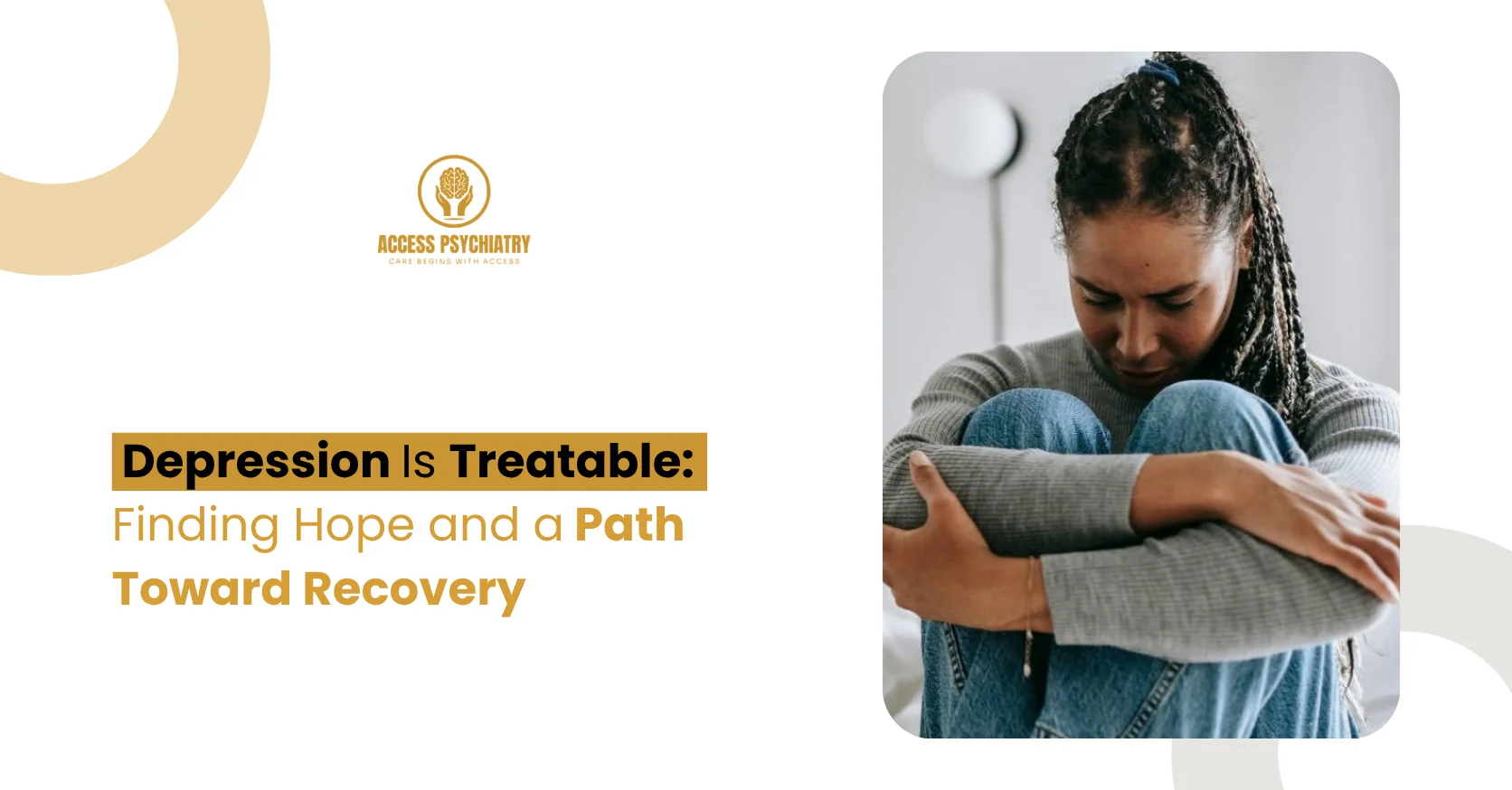
Depression can make life feel unusually heavy. Getting out of bed may require more effort, activities that once brought joy may no longer feel meaningful, and even simple responsibilities can become overwhelming. For some people, depression also creates a powerful sense of hopelessness, the feeling that life will always feel this way.
But depression is treatable, and recovery is possible.
Healing does not always happen quickly or in a straight line. It may require time, professional support, lifestyle changes, therapy, medication, or a combination of treatments. What matters is knowing that you do not have to face depression alone.
Depression Is More Than Feeling Sad
Everyone experiences sadness, disappointment, and difficult days. Clinical depression is different.
Depression can affect how a person feels, thinks, sleeps, eats, concentrates, works, and connects with others. Symptoms typically persist and interfere with everyday functioning.
Common signs may include:
- Persistent sadness, emptiness, or hopelessness
- Loss of interest or pleasure in activities once enjoyed
- Fatigue or decreased energy
- Difficulty concentrating or making decisions
- Changes in sleep or appetite
- Feelings of guilt, worthlessness, or helplessness
- Irritability, frustration, or restlessness
- Withdrawal from family and friends
- Thoughts of death, self-harm, or suicide
Depression does not look the same in everyone. Some people cry frequently, while others become quiet or withdrawn. Some continue working, caring for their families, and smiling around others while privately struggling with significant emotional pain.
That is why it is important not to judge someone’s mental health simply by how well they appear to be functioning.
You Are Not Alone
Depression can make a person feel isolated and disconnected from others. It may even make asking for help seem difficult or pointless.
Seeking help, however, can be an important first step toward recovery.Depression is a medical condition influenced by a combination of biological, psychological, environmental, and social factors. Experiencing depression is not a sign of weakness, poor character, or lack of gratitude.
If symptoms are persistent, worsening, or interfering with everyday life, it is important to speak with a qualified healthcare or mental health professional.
Small Steps Can Support Recovery
Healthy daily habits do not replace professional treatment when treatment is needed, but they can support emotional and physical well-being during recovery.
Stay connected.
Talk with someone you trust. Supportive relationships can reduce isolation and provide encouragement during difficult periods.
Move your body.
Regular physical activity, including walking, can support mood and overall health. Start with what feels manageable and gradually build from there.
Protect your sleep.
Try to maintain consistent sleep and wake times. Reducing screen exposure before bedtime and creating a calming nighttime routine may also help improve sleep.
Eat regular, balanced meals.
Nutrition supports overall physical and mental health. Significant fatigue or mood changes may also warrant medical evaluation because certain medical conditions can produce symptoms that resemble or worsen depression.
Be patient with yourself.
Recovery does not require fixing everything at once. On difficult days, progress may simply mean getting out of bed, taking a shower, eating a meal, attending an appointment, or reaching out to someone.
Small steps still count.
Effective Treatment Is Available
There is no single treatment that is right for everyone. A comprehensive evaluation can help determine the most appropriate approach based on symptoms, medical history, previous treatment response, personal preferences, and overall health.
Evidence-based treatment may include psychotherapy, medication, or a combination of both. Cognitive behavioral therapy (CBT) and interpersonal therapy (IPT) are among the established psychotherapies used for depression.
Antidepressant medications may also be appropriate, particularly for moderate or severe depression. For people whose depression does not adequately improve with standard treatments, additional options including certain medications and brain-stimulation therapies may be considered after a comprehensive evaluation.
Finding the right treatment can sometimes take time. Needing an adjustment in treatment does not mean recovery is impossible.
How Access Psychiatry Can Help
At Access Psychiatry, LLC, we understand that there is a person and a story behind every diagnosis.
Our approach begins by listening. We consider emotional symptoms, medical history, medications, sleep, stressors, relationships, lifestyle, and other factors that may be contributing to how a person feels.
When clinically appropriate, treatment may include psychiatric evaluation, medication management, psychotherapy, and coordination with other healthcare professionals. The goal is not simply to reduce symptoms, but to help each person work toward improved functioning, emotional well-being, and quality of life.
Hope Is Part of Recovery
Depression can affect the way you see yourself, your circumstances, and your future. During the hardest moments, improvement may feel far away.
That feeling is not a prediction of what your future will be.
Recovery may happen gradually: one conversation, one appointment, one treatment decision, and one day at a time. Difficult days may come along the way, but they do not erase progress.
Even the darkest night eventually gives way to morning. Hold on to the possibility that life can feel different again.
If depression has been interfering with your life, you do not have to wait until you reach your lowest point to seek help. Reaching out today can be the beginning of something better.
Frequently Asked Questions
Can depression really get better?
Yes. Depression is treatable, and many people experience significant improvement with appropriate care. Treatment may include psychotherapy, medication, lifestyle support, or a combination of approaches.
How long does recovery from depression take?
There is no single timeline. Recovery depends on the severity and duration of symptoms, underlying medical or psychiatric conditions, treatment response, and individual circumstances. The goal is steady improvement with appropriate treatment and follow-up.
When should I seek immediate help?
Thoughts of suicide or self-harm require immediate attention. In the United States, call or text 988 for the Suicide & Crisis Lifeline. If there is immediate danger or an inability to remain safe, call 911 or go to the nearest emergency department.
Written by Dr. M. Safari, DNP/PMHNP-BC
This article is for educational purposes and is not a substitute for individualized medical or mental health evaluation, diagnosis, or treatment.